fruit cactus
American Beauty dragon fruit
Needs support, warmth, and fast drainage; excellent in containers outside the tropics.
Growing Profile
- Hardiness
- Zones 10a-11a
- Sun
- FullPartial
- Soil
- SandyLoam
- Water
- Low
- Deer pressure
- Not rated No deer-resistance category is assigned yet; treat browsing risk as local and variable.
- Black walnut
- Mixed or uncertain Use as a black walnut / juglone planning cue; tolerance varies by cultivar, soil, and distance from the tree.
- Planting depth
- Set transplants at nursery depth or follow seed-packet depth for direct sowing.
- Container min
- 5+ gal (workable)
- Goals
- FruitCurb appeal & colorPollinators & wildlife
Harvest & Use
- Window
- magenta fruit in summer to fall
- Yield return
- 2.5-25 lb/plant/year
- First output
- 1-3 yrs
- Best for
- FruitCurb appeal & colorPollinators & wildlife
Harvest window: magenta fruit in summer to fall. Once established, the current pound-return model uses 2.5-25 lb/plant/year with a harvest window of 8-14 weeks.
Plant photos
What it looks like in the garden
Use these photos to compare the plant's leaves, stems, flowers, fruit, and overall habit before you buy or plant.
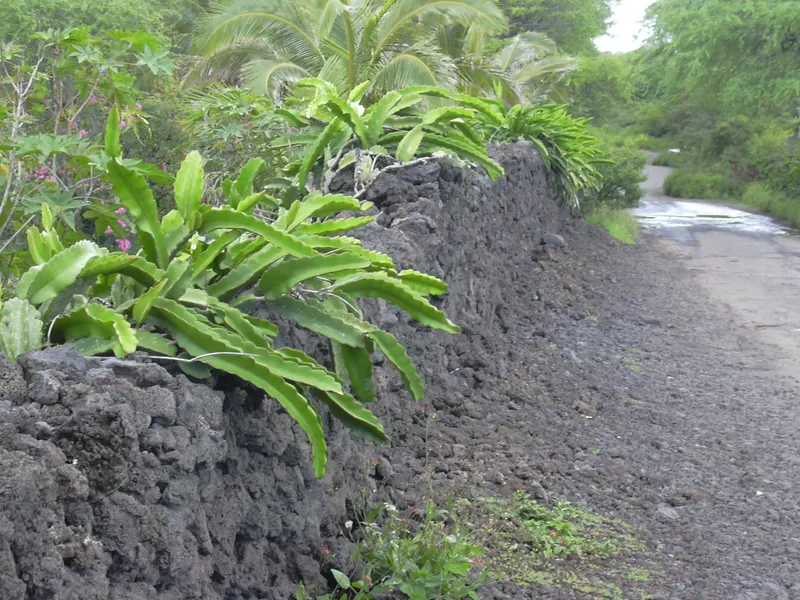
Photos show a representative plant in the garden. Fruit color, size, and growth habit can vary by cultivar, season, nursery stock, and site.
Photo sources: Forest & Kim Starr / Wikimedia Commons (CC BY 3.0)
Quantitative Profile
- Pound return
- 2.5-25 lb/plant/year
- 10-year return
- 20-200 lb/10 yrs
- Full output
- 3-5 yrs
- Mature size
- 4-8 ft H x 3-6 ft W
- Spacing
- 3-6 ft in-row x 4-8 ft rows
- Planting depth
- Set transplants at nursery depth or follow seed-packet depth for direct sowing.
- Container min
- 5+ gal (workable)
- Productive life
- 10-25 yrs
- Difficulty
- 2/5
- Reliability
- 3/5
- Data quality
- Low profile, Low yield confidence
Pound return is the stock-style yield metric. These are planning ranges for comparing plants, not guarantees. Cultivar, rootstock, climate, soil, pruning, pest pressure, and wildlife can move actual results.
Planting Checklist
8 itemsPlant by ZIP may earn a commission from qualifying purchases through checklist links.
- View
Right-size container with drainage
Containers / Before plantingUse a container large enough for mature roots, with open drainage holes to prevent root rot.
- View
Expanding container potting mix
Containers / Before plantingUse a lighter container medium instead of dense garden soil in pots and grow bags.
- View
Frost blanket
Protection / Cold nightsExtend the season or protect tender plants during cold snaps.
- View
Soil test kit or lab mailer
Site prep / Before plantingCheck pH and baseline nutrients before adding amendments, especially for fruiting crops, native beds, and acid-loving plants.
- View
Plant labels
Planning / Planting dayTrack cultivar, planting date, and variety when comparing harvests or pollination partners.
- View
Fruit tree and berry fertilizer
Nutrition / After establishmentSupport fruiting wood, bloom, and recovery after establishment once soil needs are known.
- View
Finished compost
Soil / Bed prepImprove bed structure and organic matter before planting annuals, perennials, shrubs, and trees.
- View
Watering wand or can
Watering / Planting dayWater new transplants gently without washing soil away from the crown or roots.
Yield curve
Estimated Pound Return
Projected annual yield ramp from establishment to full production, using the current sourced range for American Beauty dragon fruit.
- Year 1
- 0.5-5 lb First-year estimate from the sourced curve.
- Year 5
- 2.5-25 lb
- Year 10
- 2.5-25 lb
- 10-year total
- 20-200 lb/10 yrs
Shaded band shows the sourced low-to-high pound-yield range. The line tracks the midpoint for quick comparison.
Method: fruit-count range converted with broad dragon-fruit weight assumptions. Annual crops assume one comparable planting per year; perennial crops ramp from first bearing to full production.
Planting Strategy
- Planting depth: Set transplants at nursery depth or follow seed-packet depth for direct sowing.
- Container minimum: 5+ gal (workable). Use at least a medium container and size up for mature spread.
- Start with one plant when testing fit in a new bed or container.
- Plant more than one when harvest volume or pollination is the main goal.
Risk Factors
- Match the site first: full, partial light, sandy, loam soil, and low water.
- Use 3-6 ft in-row x 4-8 ft rows as the first spacing model; adjust for hedges, trellises, containers, or local guidance.
- Plan around mature size: 4-8 ft H x 3-6 ft W.
- For harvest planning, treat "magenta fruit in summer to fall" and 5-25 fruit/plant/year as planning ranges, not guarantees.
- Quantitative data quality is low for this record; verify before buying or planting at scale.
Related Planning Guides
Comparable Plants
Sources & Methodology
This guide combines hardiness range, light, soil, water, harvest timing, traits, supplier links, plant relationships, and quantitative planning metrics. Pairings are screened for practical garden fit.
Quantitative values use extension and botanical-reference ranges where available. For less-studied cultivars, similar crops fill gaps conservatively. Ranges are intentionally broad so the profile stays useful without pretending to be exact.
Planning sources: NC State Extension Gardener Plant ToolboxMissouri Botanical Garden Plant FinderUGA Extension - Growing Vegetables OrganicallyUniversity of Maryland Extension - Types of Containers for Growing VegetablesPenn State Extension - Landscaping and Gardening Around Walnuts and Other Juglone Producing Plants
Supplier search: Amazon. Search links are not paid placements unless explicitly marked; affiliate listings may earn a commission. Last reviewed: 2026-05-31.