ornamental grass
Palm sedge
A native sedge for rain gardens and consistently damp sites.
Growing Profile
- Hardiness
- Zones 4a-9a
- Sun
- PartialFull
- Soil
- LoamClay
- Water
- High
- Deer pressure
- Rarely damaged Use as a deer browsing cue, not a guarantee; heavy deer pressure can override resistance ratings.
- Black walnut
- Not rated No black-walnut cue is assigned yet; verify placement if planting inside a walnut root zone.
- Planting depth
- Set the crown at the same level it grew in the nursery pot.
- Container min
- 3+ gal (workable)
- Goals
- Native plantsCurb appeal & color
Harvest & Use
- Window
- palm-frond-like foliage all season
- Output
- 16-36 weeks of foliage/seedhead display/year
- First output
- 1-2 yrs
- Best for
- Native plantsCurb appeal & color
Timing: palm-frond-like foliage all season. This profile tracks 16-36 weeks of foliage/seedhead display/year with a harvest or display window of 10-18 weeks where defensible.
Plant photos
What it looks like in the garden
Use these photos to compare the plant's leaves, stems, flowers, fruit, and overall habit before you buy or plant.
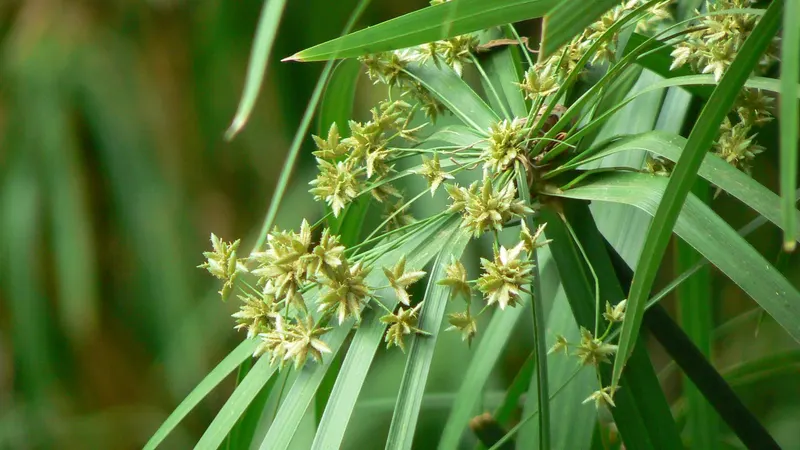
Photos show a representative plant in the garden. Fruit color, size, and growth habit can vary by cultivar, season, nursery stock, and site.
Photo sources: Dinesh Valke from Thane, India / Wikimedia Commons (CC BY-SA 2.0)
Quantitative Profile
- Full output
- 2-3 yrs
- Mature size
- 1-7 ft H x 1-5 ft W
- Spacing
- 1.5-5 ft in-row x 2-4 ft rows
- Planting depth
- Set the crown at the same level it grew in the nursery pot.
- Container min
- 3+ gal (workable)
- Productive life
- 5-15 yrs
- Difficulty
- 1/5
- Reliability
- 5/5
- Data quality
- Medium profile, No pound-yield source
Pound return is the stock-style yield metric. These are planning ranges for comparing plants, not guarantees. Cultivar, rootstock, climate, soil, pruning, pest pressure, and wildlife can move actual results.
Planting Checklist
8 itemsPlant by ZIP may earn a commission from qualifying purchases through checklist links.
- View
Hose timer
Watering / Install at plantingKeep new plantings and containers from drying out during establishment.
- View
Right-size container with drainage
Containers / Before plantingUse a container large enough for mature roots, with open drainage holes to prevent root rot.
- View
Expanding container potting mix
Containers / Before plantingUse a lighter container medium instead of dense garden soil in pots and grow bags.
- View
Drip irrigation kit
Watering / Install at plantingDeliver steady root-zone moisture with less leaf wetness and less water loss.
- View
Digging spade or shovel
Tools / Planting dayOpen planting holes, loosen compacted soil, and shape beds for larger transplants.
- View
Shade cloth
Protection / Heat wavesReduce heat stress for cool-season greens, tender transplants, and containers in hot sun.
- View
Finished compost
Soil / Bed prepImprove bed structure and organic matter before planting annuals, perennials, shrubs, and trees.
- View
Watering wand or can
Watering / Planting dayWater new transplants gently without washing soil away from the crown or roots.
Planting Strategy
- Planting depth: Set the crown at the same level it grew in the nursery pot.
- Container minimum: 3+ gal (workable). Use 3+ gal for establishment and size up as clumps mature.
- Start with one plant when testing fit in a new bed or container.
- Use the pairing map below to choose nearby companions or compatible varieties.
Risk Factors
- Match the site first: partial, full light, loam, clay soil, and high water.
- Use 1.5-5 ft in-row x 2-4 ft rows as the first spacing model; adjust for hedges, trellises, containers, or local guidance.
- Plan around mature size: 1-7 ft H x 1-5 ft W.
- Native-plant matches are starting points; confirm regional nativity, straight-species versus cultivar status, and local invasive guidance.
- Local drainage, pests, chill hours, wildlife pressure, and microclimates can change the result.
Related Planning Guides
Comparable Plants
Companion Plants & Pairings
Plant Nearby
Wet-site plants can anchor rain gardens and low spots together where average garden perennials would struggle.
Use it: Group by moisture tolerance: shrubs in the wetter anchor zone, sedges at edges, and flowering perennials where water drains within a day or two.
Sources & Methodology
This guide combines hardiness range, light, soil, water, harvest timing, traits, supplier links, plant relationships, and quantitative planning metrics. Pairings are screened for practical garden fit.
Quantitative values use extension and botanical-reference ranges where available. For less-studied cultivars, similar crops fill gaps conservatively. Ranges are intentionally broad so the profile stays useful without pretending to be exact.
Planning sources: NC State Extension Gardener Plant ToolboxMissouri Botanical Garden Plant FinderK-State Extension Master Gardener Handbook - Herbaceous PlantsUniversity of Maryland Extension - Types of Containers for Growing VegetablesRutgers NJAES - Landscape Plants Rated by Deer Resistance
Supplier search: Amazon. Search links are not paid placements unless explicitly marked; affiliate listings may earn a commission. Last reviewed: 2026-05-31.