ornamental shrub
Double Knock Out rose
A nearly carefree landscape rose for hard-to-please sunny beds.
Growing Profile
- Hardiness
- Zones 5a-9a
- Sun
- Full
- Soil
- LoamClaySandy
- Water
- Low
- Deer pressure
- Frequently damaged Use as a deer browsing cue, not a guarantee; heavy deer pressure can override resistance ratings.
- Black walnut
- Mixed or uncertain Use as a black walnut / juglone planning cue; tolerance varies by cultivar, soil, and distance from the tree.
- Planting depth
- Set the crown or top of root ball level with the surrounding soil.
- Container min
- 10+ gal (workable)
- Goals
- Curb appeal & color
Harvest & Use
- Window
- red flowers from spring to frost
- Output
- 4-16 weeks of bloom/display/year
- First output
- 1-2 yrs
- Best for
- Curb appeal & color
Timing: red flowers from spring to frost. This profile tracks 4-16 weeks of bloom/display/year with a harvest or display window of 2-5 weeks where defensible.
Plant photos
What it looks like in the garden
Use these photos to compare the plant's leaves, stems, flowers, fruit, and overall habit before you buy or plant.
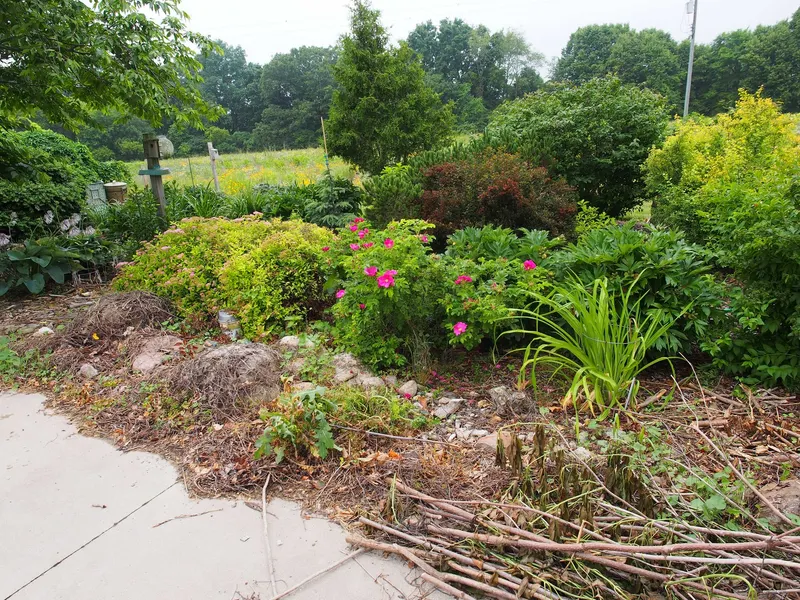
Photos show a representative plant in the garden. Fruit color, size, and growth habit can vary by cultivar, season, nursery stock, and site.
Photo sources: F. D. Richards from Clinton, MI / Wikimedia Commons (CC BY-SA 2.0)
Quantitative Profile
- Full output
- 3-5 yrs
- Mature size
- 3-10 ft H x 3-10 ft W
- Spacing
- 3-8 ft apart
- Planting depth
- Set the crown or top of root ball level with the surrounding soil.
- Container min
- 10+ gal (workable)
- Productive life
- 10-30 yrs
- Difficulty
- 2/5
- Reliability
- 4/5
- Data quality
- Medium profile, No pound-yield source
Pound return is the stock-style yield metric. These are planning ranges for comparing plants, not guarantees. Cultivar, rootstock, climate, soil, pruning, pest pressure, and wildlife can move actual results.
Planting Checklist
8 itemsPlant by ZIP may earn a commission from qualifying purchases through checklist links.
- View
Right-size container with drainage
Containers / Before plantingUse a container large enough for mature roots, with open drainage holes to prevent root rot.
- View
Expanding container potting mix
Containers / Before plantingUse a lighter container medium instead of dense garden soil in pots and grow bags.
- View
Garden gloves
Tools / Planting dayProtect hands while digging, mulching, pruning, and handling thorny or rough-stemmed plants.
- View
Digging spade or shovel
Tools / Planting dayOpen planting holes, loosen compacted soil, and shape beds for larger transplants.
- View
Organic mulch
Soil / After plantingHold soil moisture, suppress weeds, moderate soil temperature, and protect shallow roots.
- View
Finished compost
Soil / Bed prepImprove bed structure and organic matter before planting annuals, perennials, shrubs, and trees.
- View
Watering wand or can
Watering / Planting dayWater new transplants gently without washing soil away from the crown or roots.
- View
Loppers or pruning saw
Maintenance / First dormant seasonHandle woody stems and branches too large for hand pruners.
Planting Strategy
- Planting depth: Set the crown or top of root ball level with the surrounding soil.
- Container minimum: 10+ gal (workable). Use 10+ gal; larger containers improve moisture buffering at maturity.
- Start with one plant when testing fit in a new bed or container.
Risk Factors
- Match the site first: full light, loam, clay, sandy soil, and low water.
- Use 3-8 ft apart as the first spacing model; adjust for hedges, trellises, containers, or local guidance.
- Plan around mature size: 3-10 ft H x 3-10 ft W.
- Deer pressure can be a real constraint for this plant; plan protection if browsing is common nearby.
- Local drainage, pests, chill hours, wildlife pressure, and microclimates can change the result.
Related Planning Guides
Comparable Plants
Sources & Methodology
This guide combines hardiness range, light, soil, water, harvest timing, traits, supplier links, plant relationships, and quantitative planning metrics. Pairings are screened for practical garden fit.
Quantitative values use extension and botanical-reference ranges where available. For less-studied cultivars, similar crops fill gaps conservatively. Ranges are intentionally broad so the profile stays useful without pretending to be exact.
Planning sources: NC State Extension Gardener Plant ToolboxMissouri Botanical Garden Plant FinderUniversity of Maryland Extension - Planting a Tree or ShrubUniversity of Maryland Extension - Starting a Home Fruit GardenUniversity of Maryland Extension - Types of Containers for Growing Vegetables
Supplier search: Amazon. Search links are not paid placements unless explicitly marked; affiliate listings may earn a commission. Last reviewed: 2026-05-31.